Ariana Rex
Quick Summary
The biggest difference between loving deeply and dependent personality disorder is whether you can still function as your own person inside the relationship. With dependent personality disorder, fear of separation, constant reassurance-seeking, difficulty making decisions, avoiding disagreement, and giving up your own friendships or interests can make your partner feel responsible for your stability. The pattern often has roots in childhood or overprotective environments, but it can change. Therapy, small independent decisions, outside support, and learning to tolerate discomfort can help you rebuild self-trust without giving up intimacy.
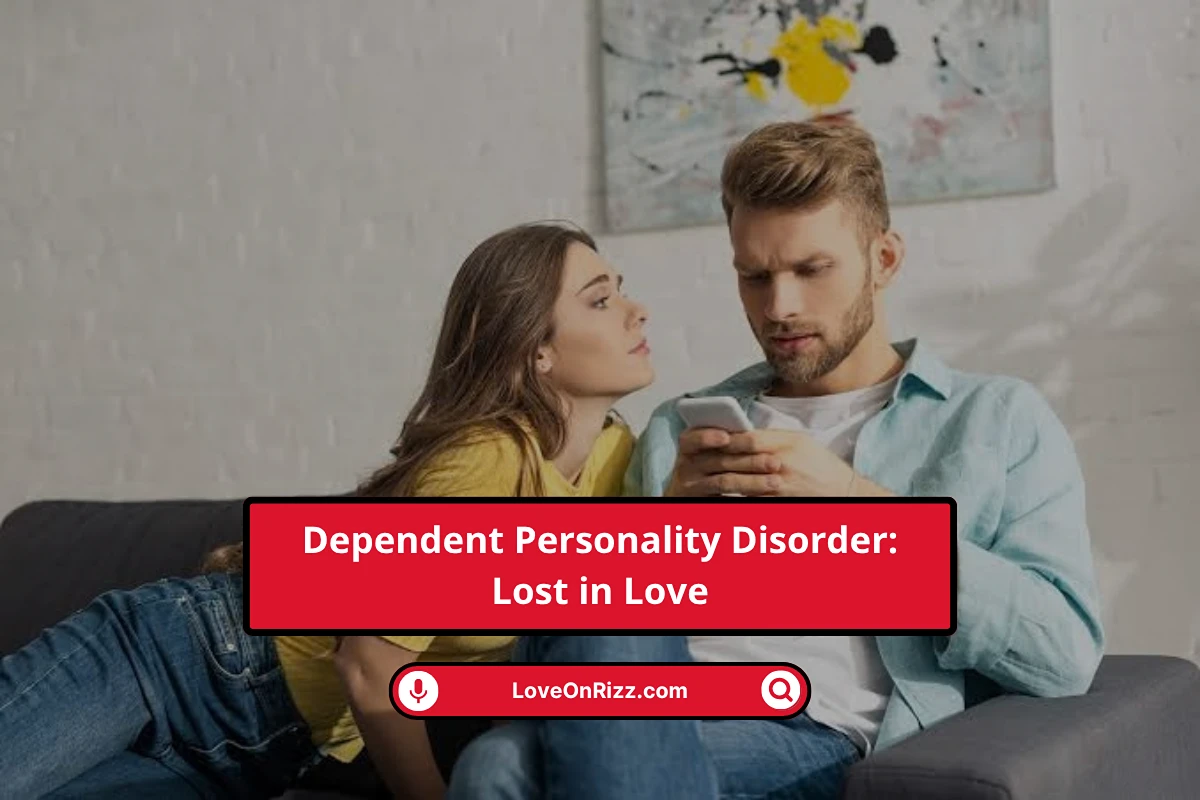
You check your phone every few minutes, waiting for your partner to text back, and when they don’t reply right away, your stomach drops. You’ve canceled plans with friends because your partner seemed a little off, and you couldn’t focus on anything else until you knew they were okay. Somewhere along the way, you stopped making decisions on your own, big or small, without running them by someone else first.
If any of that sounds like your life, I want to gently name something with you today: what you’re describing might be more than just being “a really devoted partner.” It could be dependent personality disorder, and it’s far more common than people realize, especially among people who genuinely believe they’re just being a good, loving partner. I want to walk you through what this actually looks like, why it develops, and how you can start building a sense of self that doesn’t rely on someone else to feel whole. To put this into practice, our guide to narcissistic personality in love walks you through it.
What Dependent Personality Disorder Actually Is?
Dependent personality disorder is a recognized mental health condition characterized by an overwhelming, persistent need to be taken care of. This need is so strong that it leads to clingy behavior, an intense fear of separation, and real difficulty making even everyday decisions without constant reassurance from someone else.
This isn’t about loving deeply or valuing your relationship, both of which are healthy and beautiful things. It’s about a pattern where your sense of identity, safety, and self-worth becomes almost entirely tied to another person’s presence and approval. And underneath it, there’s usually a quiet, exhausting fear: that you can’t actually survive or function on your own. Some readers also want to understand loving someone with BPD, and we have covered that too.
How Dependent Personality Disorder Shows Up In Relationships?
This pattern tends to weave itself into every corner of a relationship, often in ways that feel normal from the inside but look pretty different from the outside. Let’s break down what it commonly looks like.
- You struggle to make decisions without input. Even small choices, like what to eat or what to wear, can feel paralyzing until your partner weighs in, because you’ve come to distrust your own judgment entirely.
- You avoid disagreeing, even when you don’t agree. Conflict feels dangerous, so you find yourself nodding along or suppressing your real opinions to keep the peace and avoid any risk of upsetting your partner.
- You feel devastated by the idea of the relationship ending. The thought of being alone doesn’t just feel sad, it feels genuinely unbearable, almost like your identity would disappear along with the relationship.
- You seek constant reassurance. You might ask your partner repeatedly if they’re upset with you, if they still love you, or if everything is okay, and temporary relief from their answer fades quickly, sending you right back to needing more.
- You let go of your own hobbies and friendships. Over time, your world shrinks to revolve almost entirely around your partner, not because you were forced to, but because staying close to them felt safer than maintaining a separate life.
- You feel responsible for your partner’s emotions. If they’re upset, you assume it’s your job to fix it immediately, often at the expense of your own needs and feelings in that moment.
Why This Pattern Develops?
I think it helps to understand where this comes from, because it almost never comes out of nowhere. Dependent personality disorder often has roots in childhood, particularly in environments where a caregiver was overprotective, controlling, or where a child learned that their safety depended entirely on pleasing someone else. We have a separate piece that tackles social anxiety and dating head on.
Sometimes it develops after a chronic illness in childhood, where a person genuinely needed extra care and support, and that dynamic never quite shifted as they grew older. Other times, it’s shaped by a culture or family that discouraged independence and treated self-reliance as selfish or disloyal. None of this means you’re destined to stay stuck here. It just means the pattern makes a lot more sense once you see where it started.
How This Affects Both Partners?
Here’s the part that’s hard to hear, but I think you deserve honesty. This pattern doesn’t just affect you, it shapes the entire relationship, and often not in the way you’d hope.
Your partner might initially feel needed and important, but over time, the weight of being someone’s entire emotional and decision-making anchor becomes exhausting. Resentment can quietly build, even in someone who loves you deeply, simply because no one person can sustainably carry that much responsibility for another adult’s stability. If this raises questions, our explainer on avoidant personality disorder in love may answer them.
Meanwhile, you’re left feeling like you have no identity outside the relationship, which is a lonely place to exist even while you’re constantly next to someone else. The tragic irony is that the very thing you fear most, the relationship falling apart, becomes more likely the tighter you hold on.
What You Can Do To Build Independence?
Now let’s talk about the path forward, because this pattern absolutely can shift with the right support and consistent effort on your part.
- Start making small decisions solo. Pick your own coffee order, choose a movie without checking in first, or decide what to wear without asking for approval. These small moments rebuild trust in your own judgment over time.
- Work with a therapist, ideally one familiar with personality disorders. Therapy, particularly approaches like cognitive behavioral therapy, can help you identify the fears driving the dependency and slowly build a stronger, more independent sense of self.
- Reconnect with things that are just yours. Whether it’s a hobby, a friendship, or a personal goal, having pieces of your life that don’t involve your partner is essential to rebuilding your identity.
- Practice sitting with discomfort instead of seeking instant reassurance. When the urge to text “are we okay?” hits, try waiting it out for a bit longer each time, and notice that the anxious feeling does eventually pass on its own.
- Learn to tolerate healthy disagreement. Practice voicing a small differing opinion in a low-stakes moment, and remind yourself that disagreement doesn’t automatically mean rejection or the end of the relationship.
- Build a support system beyond your partner. Friends, family, or even a support group can remind you that you’re capable of connection and support that doesn’t rest entirely on one person’s shoulders.
How Partners Can Help Without Enabling The Pattern?
If you’re the partner of someone with these tendencies, your instinct to help is a good one, but there’s a difference between support and accidentally reinforcing the dependency. Encourage their independence rather than making every decision for them, even when it would be faster to just decide yourself.
Gently push back when they defer to you on things they’re capable of handling alone, and resist the urge to constantly reassure them, since that reassurance, while comforting in the moment, can quietly feed the cycle. Encourage outside friendships and interests, and remind them, often, that your love for them isn’t conditional on their constant agreement or closeness.
Frequently Asked Questions
Q1. What’s the difference between dependent personality disorder and just being a loving, devoted partner?
Genuine love allows room for two separate identities within the relationship, including individual opinions, friendships, and decision-making. Dependent personality disorder involves an inability to function or feel secure without the other person, often at the cost of your own autonomy and mental health.
Q2. Can dependent personality disorder be treated?
Yes, therapy is highly effective for this condition, particularly approaches focused on building self-efficacy and challenging fear-based thought patterns. Many people see significant, lasting improvement in their independence and self-confidence with consistent treatment.
Q3. Is dependent personality disorder more common in certain people?
Research suggests it can appear across genders, though presentation may vary based on cultural expectations and upbringing. It often develops in people who experienced overprotective parenting, chronic illness in childhood, or environments that discouraged independent decision-making.
Q4. Can someone with dependent personality disorder have a healthy relationship?
Absolutely, especially with therapy and a supportive partner who encourages growth rather than enabling the pattern. Healthy relationships are entirely possible once both people understand the dynamic and actively work to build more balance between connection and independence.
Q5. How do I bring up these concerns with my partner without hurting them?
Approach the conversation with compassion rather than criticism, focusing on specific patterns you’ve noticed rather than labeling them. Something like “I’ve noticed you seem really anxious when we disagree, and I want to understand that better” tends to land far more gently than a diagnosis-focused conversation.
Q6. Is constant reassurance-seeking always a sign of dependent personality disorder?
Not necessarily. Occasional reassurance-seeking is a normal part of many relationships, especially during stressful periods. It becomes more concerning when it’s persistent, intense, and paired with other signs like difficulty making decisions or an inability to tolerate disagreement.
Q7. Does dependent personality disorder only affect romantic relationships?
No, it often shows up across friendships, family dynamics, and even workplace relationships, wherever a person feels the need for constant guidance and approval. Romantic relationships tend to intensify the pattern simply because of the emotional closeness involved.
Q8. What role does self-esteem play in this condition?
Low self-esteem is often at the core of dependent personality disorder, since a person struggling with their own sense of worth may look outward to a partner to validate their decisions and identity. Building genuine self-esteem is usually a central part of effective treatment.
Q9. Can this pattern improve without professional help?
While self-awareness and intentional small changes can help, dependent personality disorder often has deep roots that benefit significantly from professional guidance. Therapy provides tools and support that are difficult to replicate entirely on your own.
Q10. How long does it typically take to see improvement?
This varies significantly from person to person, depending on the severity of the pattern and consistency of treatment. Many people notice small shifts within a few months of therapy, while deeper, lasting change often unfolds over a year or more of consistent work.
Final Words
If you saw yourself in this article, I want you to know that recognizing this pattern is already a genuinely brave first step, not a failure. You didn’t choose to develop this need for constant closeness and reassurance, but you absolutely have the power to build something different from here.
You are allowed to have your own opinions, your own friendships, and your own identity, even within a deeply loving relationship. In fact, that separateness is part of what makes real intimacy possible in the first place. Be patient with yourself as you rebuild trust in your own judgment, because every small decision you make on your own is proof that you’re capable of standing steady, with or without someone else beside you.